Caroline Choiniere
Caroline Choiniere
B.S. Environmental Science
Southern New Hampshire University
Email: caroline.choiniere@snhu.edu
Resume

About Me
As a child, I brought insects to my wary mother, who often joked, “Caroline, you’re either going to be an entomologist or a botanist.” When I was seven, I was given an Echeveria amoena succulent, and in that moment I knew plants would shape my future.
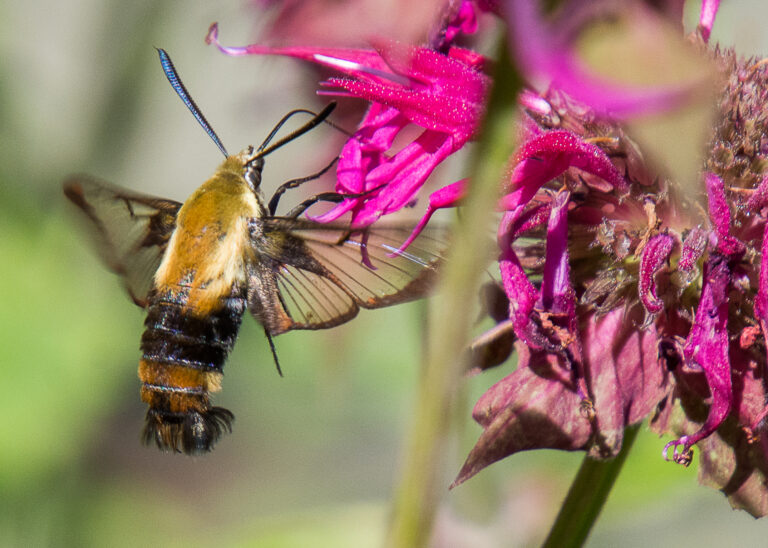
I am an environmental science graduate and experienced plant retail merchandiser known for strong communication, problem solving, and detail-driven analysis. Through hands-on work, I have developed a deep interest in plant–insect interactions and enjoy helping customers design functional, native plant landscapes that support local ecosystems. One of the highlights of my work is observing pollinators such as hummingbird clearwing hawkmoths and other Lepidoptera species in active landscapes.
My academic and professional interests sit at the intersection of environmental science, horticulture, and data-informed decision-making. I am particularly interested in environmental policy, planning, and analytical pathways that support sustainable land use, biodiversity, and community-focused environmental solutions.
Sample Work Products
Undergraduate Research Day 2024
Check out my undergraduate research day 2024 poster from Spring 2024! Presented research examining the structure of the sod farming industry as research needs to be done to determine how the regulation of sod crop affects invasive plant and insect species.
Palmers Penguins Analysis here
Creating and rendering a Quarto document containing an analysis on the palmerpenguins data into a reproducible report. Then making a local repository in GitHub.
Extinct Plants Dataset Breakdown Analysis here
The data being worked with is from the International Union for Conservation of Nature (IUNC) Red List of Threatened Species (Version 2020-1). Florent Lavergne scrapped and prepared the Plants in Danger project to develop an info-graphic showing the biodiversity crisis plants are undergoing around the world. The data set is being used to explore the link between socio-economic activity and plant extinction. Determining if extinction risk varies by region is another potential use of the data set. Africa and Madagascar have the highest count of extinct plant species per Continent and Country with links to socio-economic disturbance in the forms of over-industrialization of green areas and disruption of natural forest (Feintrenie, 2014; Ralimanana et al., 2022). It is shown in IUCN data that over-exploitation and unsustainable agricultural practices in Madagascar are a threat to biodiversity (Stévart et al., 2019). Plant extinction varies by Continent, and a link to social or economic activity is found in Africa and Madagascar.
IUCN (2020) The IUCN Red List of Threatened Species. Version 2020-1. https://www.iucnredlist.org
RNA Sequencing Part 1 Analysis here
Learned how to use edgeR to analyze r-seq data and to compare RNA-seq data from two treatments of dp. I was able to use the final differential expression analysis and see the genes with the highest measure of differences between the two samples. Using flybase was interesting and gave further info on what each gene did and why or why not it was differentially regulated between each instar.
RNA Sequencing Part 2 Analysis here
In the first part, we learned how to analyze RNA-seq data and determine which genes in the sample data-set were differentially expressed or turned on/off from instar 1 to instar 2. We used edgeR alongside a couple other R packages to further analyze the sample data set.
RNA-seq part 2 is focusing on visualizing data and narrowing down on genes that are different as well as analysis of the patterns in the data. This part is focusing on a sample data set from the R bioinformatics cookbook using the model plant species Arabidopsis thaliana. This is focusing on how its gene expression varies in different parts of the plant. Then we can use RNA-seq to see if gene expression varies by ecotype.
Phylogenetics with R Analysis here
Learned how to analyze data to build phylogenies; and phylogentic trees will be made using genetic data and big datasets. ape and treeio packages will be used to create formats of evolutionary trees, then playing with ggtree to see how to create different visuals of evolutionary trees. The final goal is to interpret the output of the programs and read an evolutionary tree. This exercise uses many basics from ggplot and I will have to try some formatting and display alternatives in future projects to see what changes in the tree visuals.